
Can I Park a Car Without Insurance? What Happens If a Vehicle Is Stored
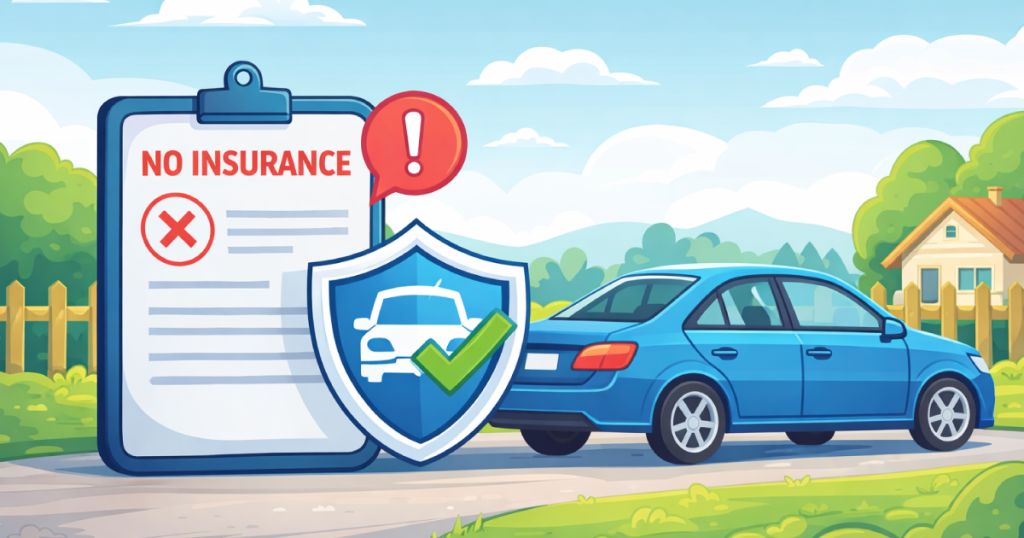
Many drivers wonder “can I park a car without insurance?” especially when a vehicle is not being driven for weeks or months. The answer depends on state laws, vehicle registration status, and whether the car is still considered active on public roads.
Even when a vehicle is parked or stored, it may still require some form of insurance coverage. Understanding your options can help you reduce costs while keeping the vehicle protected.
Can You Park a Car Without Insurance?
In most states, the answer is no. Even if a vehicle is not being driven, it usually must remain insured unless the registration is suspended or the vehicle is officially placed in a non-operational or storage status with the DMV.
Many states link vehicle registration and insurance requirements together. If your car is registered and eligible to be driven, the state may require at least minimum insurance coverage.
However, drivers who plan to store a vehicle long-term may have alternatives that allow them to reduce insurance costs while maintaining protection.
Why Parked Cars Still Need Insurance
Some drivers assume that if a car is not moving, it no longer needs coverage. In reality, a parked vehicle can still face several risks.
Common risks include:
• Theft – parked cars can still be stolen
• Vandalism – broken windows, scratches, or damage
• Weather damage – hail, floods, falling branches, or storms
• Fire damage – garage or environmental fires
• Liability situations – a parked vehicle could still cause damage if it rolls or is involved in another incident
Because of these risks, many drivers maintain insurance for parked cars even when the vehicle is not being used regularly.
This is where policies such as storage coverage or lay-up insurance become useful.
What Is Parked Car Insurance?
When people refer to parked car insurance, they are usually talking about a modified auto policy that protects a vehicle while it is not being driven.
Insurance companies often allow drivers to change their policies to reduce costs when a car is stored.
Common options include:
Comprehensive Only Coverage
This type of coverage protects against:
• theft
• vandalism
• fire
• weather damage
It removes liability and collision coverage since the vehicle is not being driven.
Storage Coverage
Some insurers offer storage or reduced-use policies designed for vehicles kept in garages or storage facilities for extended periods.
Lay-Up Insurance
A lay-up policy temporarily suspends certain parts of an auto insurance policy while maintaining protection against non-driving risks.
Lay-up insurance is commonly used for:
• classic cars
• RVs
• motorcycles
• seasonal vehicles
• vehicles stored during winter months
These options allow drivers to maintain car insurance for parked vehicles without paying the full cost of a standard auto policy.
How to Store a Car Without Paying Full Insurance
If you plan to store your vehicle for an extended period, you may be able to reduce your insurance costs by adjusting your policy.
Typical steps include:
1. Contact Your Insurance Company
Ask whether they offer storage coverage or lay-up options for vehicles that will not be driven.
2. Switch to Storage Coverage
Many insurers allow you to reduce your coverage to protect against theft or damage while removing coverage for driving risks.
3. Remove Liability and Collision
If the vehicle will not be driven, these coverages may be temporarily suspended.
4. Keep Comprehensive Coverage
Comprehensive coverage protects against:
• theft
• vandalism
• weather damage
• fire
Maintaining this protection helps ensure the vehicle is still covered while stored.
When You Can Legally Cancel Insurance
There are some situations where a vehicle may not require insurance coverage.
Examples include:
Vehicle Registered as Non-Operational
Many states allow vehicles to be placed in non-operational status, which suspends insurance requirements.
Long-Term Storage
If the car is stored and the registration is inactive, insurance may no longer be required.
Vehicle Has Been Sold
If you sell or transfer ownership of a vehicle, the insurance policy can typically be canceled.
Before canceling insurance, it is important to check your state’s registration rules, since requirements can vary.
Best Insurance Options for Stored Vehicles
For vehicles that are parked for extended periods, the most common coverage options include:
• Lay-up insurance for seasonal or stored vehicles
• Storage coverage that protects vehicles while not in use
• Seasonal vehicle policies for cars driven only part of the year
These policies can help reduce insurance costs while maintaining protection against theft, vandalism, and weather damage.
If you are unsure which option is best for your situation, comparing providers that offer storage or lay-up coverage can help you find the right policy.
FAQs
Drivers often have questions about insurance when a vehicle is parked, stored, or not being used regularly. The answers below explain when insurance may still be required, what coverage protects a parked vehicle, and how storage or lay-up policies can help reduce costs while keeping your vehicle protected.
Contact usDo I need insurance if my car is in the driveway?
In most states, yes. If a car is registered and capable of being driven, insurance is usually required even when parked.
Will insurance cover a parked car if someone hits it?
Yes, if you have collision or comprehensive coverage depending on the situation.
Does comprehensive insurance cover a parked vehicle?
Yes. Comprehensive protects against theft, vandalism, weather damage, and fire while the car is parked.
Can I cancel insurance if my car is stored for winter?
Sometimes, but many drivers instead switch to lay-up or storage coverage.
Ready to Protect Your Parked Vehicle?
Compare layup and storage insurance options so you can keep your vehicle safe—without paying for coverage you don’t need.