
Storage & Layup Insurance Guide: How to Protect Your Vehicle While It’s Parked
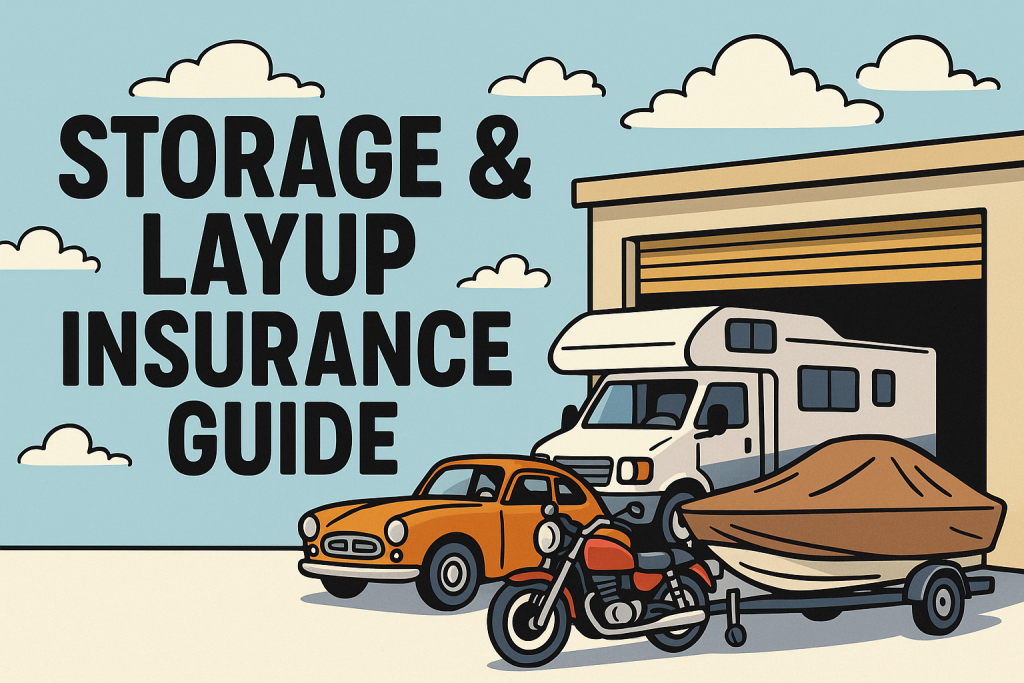
Whether it’s your RV, motorcycle, or weekend cruiser, storing a vehicle long-term comes with more to think about than just finding the right spot. One key question often gets overlooked. What happens to your insurance while it’s off the road? That’s where layup and storage coverage comes in. In this guide, we’ll walk through what it means, how it works, and how to protect your vehicle without overpaying. Let’s break it down in plain English, so you can make smart, stress-free decisions.
What Is Storage & Layup Insurance?
If you are planning to store a vehicle, boat, RV, motorcycle, or any seasonal equipment for an extended period, you may be wondering if your current insurance is the right fit. This is where storage and layup insurance comes into play. These specialized policies are designed for times when your asset is not in regular use but still needs protection.
What Is Layup Insurance?
Layup insurance is a reduced-coverage policy meant for periods when your vehicle or equipment is not being actively used. It is common among owners of motorcycles, boats, or classic cars who store them during certain seasons. Layup coverage typically suspends the liability and collision portions of your policy while keeping comprehensive coverage active. This means your vehicle is still protected from theft, vandalism, weather damage, and other non-driving-related risks, but you are not paying for coverage you do not need while it is off the road.
The term “layup” is most often used in marine insurance, especially for boats that are docked or stored during the off-season. It can also apply to motorcycles or collector cars that sit idle in garages during winter. If you take your vehicle out of storage before the layup period ends, you must reactivate full coverage before hitting the road.
Also Read These Articles:
Do I Need Insurance on a Stored Car? Laws by StateCan I Pause My Car Insurance? Pros, Cons & How-ToComprehensive-Only Insurance: What It Covers and When to Use ItWhat Happens If You Cancel Insurance While Your Vehicle Is Stored?
What Is Storage Insurance?
Storage insurance works similarly to layup insurance but is more broadly used for any vehicle or item kept in a long-term storage setting. This could include RVs parked in a storage facility, snowmobiles kept in sheds, or vehicles awaiting repairs. Like layup insurance, storage policies usually focus on comprehensive-only coverage. You are not protected for accidents on the road, but your vehicle is covered if something happens to it while it is parked and unused.
The difference between storage and layup insurance is mainly in the context. Layup insurance is a formal term used in specific industries, such as boating and seasonal vehicles. Storage insurance is a more general term that applies to any asset being stored off the road for an extended time.
Who Needs Storage and Layup Insurance?
If your vehicle, RV, or boat is going to sit unused for more than 30 days, storage and layup insurance may be a smart financial move. It can be especially helpful for:
- Seasonal vehicle owners
- Classic or collector car owners
- RV owners who store their rig between trips
- Motorcycle riders during colder months
- Boat owners during the off-season
- Anyone storing a vehicle while away for work, school, or deployment
Just canceling your insurance altogether during downtime may leave your vehicle unprotected. Even when parked, your asset is still at risk for damage, theft, or unexpected incidents. Storage and layup coverage gives you peace of mind while saving on costs.
Before making changes, always confirm your state’s insurance requirements and speak with a licensed agent. Choosing the right storage and layup insurance can help you avoid gaps in protection and keep your investment safe until it is ready to be used again.
Why Vehicle Owners Choose Storage Insurance
Not everyone drives their vehicle year-round. Whether it is a motorcycle parked for the winter, an RV waiting for summer road trips, or a boat docked during the off-season, many vehicle owners take extended breaks from regular use. In these situations, keeping full coverage can feel unnecessary and expensive. That is where storage and layup insurance comes in.
Why Do People Pause or Reduce Coverage?
The main reason vehicle owners adjust their insurance is seasonal use. If you live in an area with harsh winters, you probably do not ride your motorcycle year-round. The same goes for boats, convertibles, snowmobiles, and other recreational vehicles. Rather than pay for full insurance coverage when the vehicle is stored, many choose to pause or reduce certain parts of their policy.
Long-term parking is another common reason. Maybe you are traveling abroad for several months, deployed for military service, or storing a vehicle at a family member’s home while you are away at school. If the vehicle is not being used and is kept in a secure location, keeping full coverage might not make sense financially.
What Is Layup Insurance and How Does It Help?
Layup insurance is a form of reduced coverage specifically designed for these periods of inactivity. When a vehicle is under layup, the policyholder temporarily suspends liability and collision coverage but keeps comprehensive protection. This means you are still covered for risks like theft, vandalism, fire, and weather damage while saving money on premiums.
Layup insurance is often used for boats and motorcycles but is also helpful for other vehicles that are not in use for part of the year. The term “layup” is commonly used in the marine world but applies to land-based vehicles as well.
Storage Insurance for Long-Term Protection
If your situation does not qualify for layup coverage or you are simply placing your vehicle in long-term storage, storage insurance offers similar benefits. The goal is to protect your parked vehicle without paying for coverage you do not need. For example, a classic car stored in a garage does not need liability insurance if it is not being driven. But it should still be protected from fire, water leaks, or break-ins.
Reducing your policy to comprehensive-only coverage through a storage insurance option keeps your asset protected while cutting unnecessary costs.
Who Benefits from Storage and Layup Insurance?
These policies are ideal for:
- RV owners storing their vehicle between road trips
- Motorcycle riders during cold weather seasons
- Boat owners with off-season docking
- Classic car collectors who rarely drive their vehicles
- Students or professionals away from home for extended periods
- Owners of vehicles undergoing long-term repairs or restoration
If you are not using a vehicle for 30 days or more, it is worth exploring your options. Canceling insurance entirely could leave your vehicle at risk, and some states may require at least minimal coverage to maintain registration. By choosing storage and layup insurance, you keep your vehicle protected in a cost-effective way.
Understanding what layup insurance is and how it differs from standard coverage helps you make smart decisions about protecting your vehicle when it is not on the road.
How Layup Insurance Policies Work
If you store a vehicle for part of the year, you may have heard about layup insurance. But how does it actually work? This guide explains how layup insurance works, what types of coverage are paused, and what protections remain in place during storage. Whether you are storing a boat for the winter or parking a motorcycle for several months, understanding layup coverage can help you make smarter insurance choices.
What Is Layup Insurance?
Layup insurance is a temporary insurance arrangement that allows you to reduce coverage while your vehicle is not in use. During this “layup period,” the vehicle must be off public roads and kept in a secure location, such as a garage, storage unit, or driveway. It is most commonly used for seasonal vehicles like boats, RVs, motorcycles, and classic cars.
How Layup Insurance Works
When a layup policy is active, certain types of coverage are paused, while others remain in place. The main goal is to eliminate unnecessary coverage while still protecting the vehicle from common risks during storage.
Here is layup coverage explained:
What Is Typically Paused?
- Liability Insurance: This covers damage or injury you cause to others while driving. Since the vehicle is not on the road, liability coverage is usually not needed during the layup period.
- Collision Insurance: This covers repairs to your vehicle after an accident. If your vehicle is not being driven, collision risk is low and this part of the policy is generally suspended.
Pausing these coverages helps reduce your monthly premium. However, your vehicle is still insured against risks that can occur while it is parked or stored.
What Usually Remains:
- Comprehensive Coverage: This protects against non-driving-related losses, such as theft, vandalism, falling objects, fire, and weather damage. Even in storage, these risks still apply, so comprehensive insurance stays active.
- Fire and Theft: These risks are often emphasized in layup policies because they are two of the most common threats to stored vehicles.
Layup coverage only applies if the vehicle remains off the road. If you take it out during the layup period, you must reinstate full coverage before driving. Failing to do so could result in claims being denied if an incident occurs while the vehicle is in use.
Important Considerations
Not every state or insurance provider allows layup coverage. In some places, minimum insurance requirements must still be met to keep your vehicle registered. It is important to confirm local laws and speak with a licensed agent before making changes to your policy.
Also, some insurance carriers may require advance notice before activating or ending a layup period. It is best to plan ahead if you know your vehicle will be stored for an extended time.
Understanding how layup insurance works helps vehicle owners stay protected while saving money. By keeping comprehensive coverage and pausing what is not needed, layup insurance offers a flexible way to insure vehicles that are not used year-round.
Pause Insurance or Cancel? What’s Safer
If you are putting a vehicle into long-term storage, you may be asking yourself whether to pause your coverage or cancel your auto insurance altogether. It seems like an easy way to save money, especially when the vehicle is not being driven. But there is a big difference between a temporary pause and a full cancellation. Knowing which is safer could save you from expensive surprises later.
Pause Car Insurance vs Cancel: What Is the Difference?
When you pause car insurance, also known as suspending coverage or switching to storage-only insurance, you are keeping parts of your policy active while removing the parts you do not need. Typically, this means removing liability and collision coverage but keeping comprehensive insurance. This still protects your vehicle from fire, theft, vandalism, and other risks while it is parked or stored.
On the other hand, to cancel auto insurance during storage means ending the policy entirely. This leaves your vehicle with no protection whatsoever. You will not be covered for any losses, and depending on your state, this choice might come with extra complications such as registration suspension or penalties.
Why Canceling Is Riskier
Canceling your insurance may seem like the cheaper option, but it comes with serious risks:
- No protection from damage or theft: Even when a vehicle is parked, things can happen. Fires, falling branches, break-ins, or even a burst pipe in your garage can lead to costly repairs. Without insurance, you would have to cover these losses out of pocket.
- Potential penalties: Some states require that your vehicle maintain insurance as long as it is registered. Canceling coverage could trigger registration suspension, fines, or a loss of plate privileges.
- Insurance gaps can raise future premiums: If you cancel your insurance and later try to reinstate it, insurers may view the gap as high-risk behavior. This could lead to higher rates when you reactivate or switch providers.
- No flexibility: If you suddenly need to use the vehicle, you cannot drive it legally or safely without first restarting your coverage. This could cause delays or limit your ability to respond in an emergency.
When to Consider a Pause Instead
Pausing insurance by switching to storage or layup coverage keeps your vehicle protected while reducing costs. It is especially useful for:
- Seasonal vehicles like boats, RVs, or motorcycles
- Classic cars kept in a garage
- Vehicles stored during extended travel or deployment
- Students or snowbirds leaving a vehicle parked for months
By keeping comprehensive insurance active, you maintain protection and avoid insurance gaps, making it easier to restart full coverage when you are ready to drive again.
The Safer Choice
When it comes to pausing car insurance vs. canceling, pausing is usually the safer and smarter move. It balances savings with protection and avoids the risks that come with canceling altogether. If you are planning to cancel auto insurance during storage, think carefully. A storage or layup policy could offer the security you need without the full cost of regular coverage.
Which Vehicles Can Be Protected While in Storage
Not all vehicles are on the road year-round. Some are seasonal, others are used for recreation, and many spend months in garages, storage units, or driveways. During these idle periods, owners often look for ways to reduce insurance costs while still keeping their vehicles protected. That is where storage and layup insurance comes in.
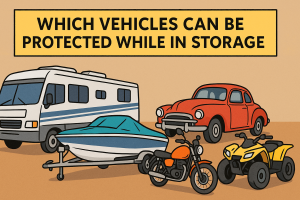
Here is a breakdown of the most common vehicles that can benefit from specialized storage coverage.
RVs
Recreational vehicles are a major investment, and most owners do not use them year-round. Whether stored during the winter or between road trips, an RV still faces risks like fire, theft, or storm damage while parked. Storage insurance for RV owners usually involves keeping comprehensive coverage while pausing liability and collision protection. This setup keeps the RV covered for non-driving incidents without paying for full-time use coverage. It is especially useful if your RV is parked for several months or stored at a facility.
Boats
Boats are often out of the water for long stretches, especially in colder climates. During off-season months, they are typically stored in a garage, dry dock, or outdoor lot. Boat layup insurance allows owners to maintain coverage for damage, theft, or vandalism while the vessel is not in use. Like with RVs, layup coverage for boats typically suspends navigation and liability coverage, leaving only the protections needed during storage. If the boat is taken out early, full coverage should be reinstated before launching.
Motorcycles
Many motorcycle riders store their bikes during the winter or rainy seasons. If your motorcycle is not being ridden for 30 days or more, full coverage may not be necessary. Motorcycle layup insurance lets riders pause liability and collision while maintaining protection for fire, theft, and weather-related damage. As with other layup policies, the motorcycle must be kept off public roads and stored securely in order to qualify for this type of coverage.
Classic Cars
Classic or collector vehicles often spend more time in garages than on the road. Whether they are being restored, displayed, or preserved, they are valuable and vulnerable when parked. Storage insurance helps protect these vehicles from damage without the higher cost of daily-use coverage. Owners can choose to keep only comprehensive insurance active, which safeguards the car from events like fire, break-ins, and falling objects. For collectors who only drive on occasion, this type of policy provides peace of mind without overpaying.
ATVs and Off-Road Vehicles
All-terrain vehicles and recreational off-road vehicles are also prime candidates for storage coverage. When not in use during certain seasons or stored at a cabin or garage, they can still be exposed to theft, fire, or animal damage. Storage insurance helps cover those risks. Since these vehicles are not typically used on public roads, owners often choose limited coverage that focuses on non-use protection.
Whether you ride, drive, or sail, storage and layup insurance helps protect your investment while cutting unnecessary costs. From motorcycle layup insurance to storage insurance for RVs and boat layup insurance, the right policy depends on how and when your vehicle is used. If it is parked for long periods, a storage plan might be your safest and most affordable option.
Also Read These Articles:
Motorcycle Layup Insurance: How Riders Save Money Off-SeasonBoat Lay-Up Insurance: A Seasonal Guide for OwnersSeasonal Vehicle Insurance vs Year-Round Coverage: Which Is Cheaper?How to Switch Your Auto Policy to Storage Mode Without a Penalty
Do You Need Insurance on a Stored Vehicle in Your State?
If you plan to store your car, motorcycle, RV, or seasonal vehicle for several months, you might wonder whether you still need insurance while it is not being used. The answer depends on where you live. Stored vehicle insurance requirements can vary by state, and failing to follow your state’s rules could lead to penalties, fines, or registration issues.
Here is what you need to know about car storage insurance laws and why it is important to check with your local DMV or insurance provider before making any changes.
General Legal Requirements Vary by State
Some states require that vehicles registered in the state carry a minimum level of insurance at all times, even if they are not being driven. In these states, simply parking your car in a garage or storing your RV off-season does not mean you can legally cancel your policy.
Other states allow you to cancel your liability insurance if the vehicle is not being operated, but you may be required to file a non-use or planned non-operation (PNO) form with the Department of Motor Vehicles. This form lets the state know your vehicle will not be on public roads and removes the insurance requirement while it is out of use.
That is why it is so important to verify the rules in your specific state. Storage and insurance laws can differ, and so can the consequences of not following them.
Risks of Canceling Insurance Without Checking
If you cancel your insurance without following proper procedures, your state may:
- Suspend your vehicle registration
- Charge a penalty or reinstatement fee
- Require proof of insurance before allowing you to renew your registration
- Mark your driving record with a lapse in coverage
Even if your state does allow cancellation, removing all insurance coverage leaves your vehicle unprotected. Fire, theft, vandalism, and weather damage can still occur while a vehicle is parked or stored. In many cases, a better option is to reduce coverage rather than cancel completely.
Storage Insurance as a Smarter Alternative
Instead of canceling, consider adjusting your policy with a storage or layup insurance option. This allows you to pause liability and collision coverage while keeping comprehensive protection. You stay covered for non-driving risks, and you may avoid any complications with state law.
For example, if your state requires continuous coverage to keep your vehicle registration active, storage insurance keeps you compliant while also reducing your premium. It is a way to stay safe and legal at the same time.
Check With Your DMV or Insurance Provider
The best thing you can do is contact your state’s Department of Motor Vehicles or your licensed insurance agent. Ask them about the stored vehicle insurance requirements in your state and whether a planned non-operation filing is necessary. They can guide you through the correct steps to avoid legal issues and stay protected.
Understanding car storage insurance laws helps you make the right decision for your situation. Whether your vehicle is stored for winter or long-term parking, taking the right approach ensures both legal compliance and peace of mind.
How to Set Up a Layup Policy with Your Insurer
If you plan to store your vehicle for a season or longer, a layup policy can be a smart way to save money while keeping coverage for risks like fire, theft, or weather damage. Knowing how to get layup insurance and what steps to take with your insurer can make the process easy and hassle-free.
Here is a step-by-step guide to help you set up a storage auto policy or convert your current policy into seasonal layup coverage.
1. Confirm Your Vehicle Is Eligible for Layup
Layup policies are usually designed for vehicles that are not driven year-round. These include:
- Motorcycles
- Boats
- RVs and campers
- Classic or collector cars
- ATVs and off-road vehicles
If your vehicle will be stored off public roads for 30 days or more, it may qualify. Layup insurance typically does not apply to daily drivers or vehicles used intermittently during storage months. Your insurer may ask for a start and end date for the layup period and require the vehicle to be stored in a private location like a garage or secure lot.
2. Contact Your Insurance Provider
Call or message your insurance company and ask about seasonal or storage policy options. Use clear language such as “I would like to set up a layup policy for my stored vehicle” or “Can I switch to a storage-only auto policy while my vehicle is not in use?”
Let them know:
-
- What type of vehicle you are storing
- Where it will be stored
- How long you expect it to remain off the road
- Whether you have another vehicle you plan to use during this time
This helps your insurer understand your situation and recommend the best coverage adjustment.
3. Review What Coverage Will Be Paused
A typical layup policy will suspend:
-
- Liability coverage
- Collision coverage
These protections are for when your vehicle is being driven. If the vehicle is parked in storage, you generally do not need them.
However, the policy will usually keep comprehensive coverage active. This covers:
-
- Fire
- Theft
- Vandalism
- Falling objects
- Storm or water damage
- Animal-related damage
Keeping comprehensive coverage ensures your vehicle remains protected during the layup period.
4. Submit Required Documents or Forms
Some insurers may require you to fill out a form or submit written confirmation of your request. Others may simply update your existing policy and send a revised declaration page. Make sure to review any paperwork and ask questions if something is unclear.
5. Know How to Reactivate Full Coverage
Before you take the vehicle out of storage, contact your insurer to reinstate full coverage. Driving during the layup period without liability insurance is not only unsafe but may also result in denied claims or legal penalties.
Understanding how to get layup insurance and how to set up a storage auto policy is key to protecting your vehicle while cutting down on unnecessary costs. With a few simple steps, you can adjust your coverage to match your usage and avoid paying for protection you do not need.
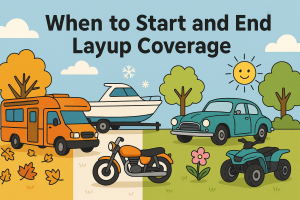
When to Start and End Layup Coverage
Knowing when to start layup insurance can help you save money and protect your vehicle during off-season storage. Whether you own an RV, boat, motorcycle, or seasonal vehicle, the timing of your layup policy matters. Starting too early or ending too late could leave you unprotected or cost you more than necessary.
This guide offers seasonal auto insurance timing recommendations by vehicle type, so you can make informed decisions based on how and when you use your vehicle each year.
RVs: Start in the Fall, End in Spring
Most RV owners use their vehicles during warmer months, especially from late spring through early fall. Once summer trips wrap up, fall is typically the right time to transition into storage mode.
- Start layup coverage: Late September to early November, depending on your climate
- End layup coverage: March or April, before your first planned trip
During the off-season, RVs are often stored in driveways, storage lots, or indoor facilities. Keeping comprehensive coverage active during this period helps protect your RV from weather, fire, theft, and animal damage.
Also Read These Articles:
Top 5 Mistakes to Avoid When Storing a Vehicle Long-TermWhat Every Vehicle Owner Should Know About Storage InsuranceGarage vs. Outdoor Storage: How Location Affects Your Insurance and RiskStorage & Layup Insurance Guide: How to Protect Your Vehicle While It’s Parked
Boats: Start in Winter, End in Late Spring
Boating season tends to wrap up by early fall in most areas, especially in regions with freezing temperatures. Once your boat is removed from the water and winterized, it is time to adjust your coverage.
- Start layup coverage: October to December, depending on water temperature and storage schedule
- End layup coverage: Late April to early June, before relaunching for summer
Boat layup insurance is designed specifically for this purpose. It pauses liability coverage while keeping your vessel protected against theft, vandalism, and storage-related risks.
Motorcycles: Start in Late Fall, End in Early Spring
Riders in colder states typically put their bikes away once temperatures drop and roads become unsafe. If your motorcycle will not be ridden for a few months, switching to motorcycle layup insurance can be a cost-effective choice.
- Start layup coverage: October to November
- End layup coverage: March to April
Even stored motorcycles can suffer damage from leaks, rodents, or garage accidents. Keeping comprehensive coverage active during the off-season keeps your ride protected.
Classic Cars: Flexible Storage, But Plan Around Weather
Classic or collector vehicles may not follow a strict seasonal schedule. Many owners choose to store them during winter months or whenever driving conditions are poor. Since these vehicles are often high in value and driven rarely, layup coverage can be applied for flexible periods.
- Start layup coverage: As needed, often November through March
- End layup coverage: When road conditions improve or events begin
Just be sure to switch back to full coverage before driving. Driving a vehicle under layup coverage may result in denied claims or legal issues.
Whether you are preparing for snow, parking for the season, or storing a weekend vehicle, understanding seasonal auto insurance timing helps you avoid coverage gaps. The key is to match your layup period with how and when you use your vehicle. If you are unsure when to start layup insurance, consider your local weather, storage location, and vehicle type. A little planning goes a long way in keeping your vehicle safe and your insurance costs under control.
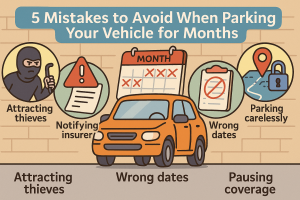
5 Mistakes to Avoid When Parking Your Vehicle for Months
If you are storing your car, motorcycle, RV, or boat for the season, setting up the right insurance is only part of the process. It is just as important to avoid common errors that could leave your vehicle unprotected, damage your insurance record, or cost you money. Many people make small but costly mistakes when planning long-term storage. Knowing what to watch for can help you protect your vehicle the smart way.
Here are five of the most common layup insurance mistakes and stored vehicle coverage errors to avoid.
1. Canceling Insurance Instead of Reducing It
Canceling your auto insurance entirely might sound like a good way to save money while your vehicle is parked, but it often creates more problems than it solves. You lose all protection against fire, theft, vandalism, and weather damage. In many states, it could also trigger penalties or registration suspension. Instead of canceling, consider switching to comprehensive-only or storage coverage. This keeps your vehicle protected without paying for liability or collision coverage you do not need during downtime.
2. Forgetting to Notify Your Insurer
One of the most avoidable stored vehicle coverage errors is simply forgetting to tell your insurer that your vehicle will be off the road. If your policy remains unchanged and the vehicle is involved in a non-driving incident, your insurer may deny the claim. Let your insurer know when you plan to store the vehicle, how long it will be inactive, and whether you want to adjust coverage to reflect the change. A quick call now can save you serious trouble later.
3. Setting the Wrong Start or End Date
With layup insurance, timing matters. If your policy does not officially start until next week, and something happens today, you may not be covered. Likewise, taking the vehicle out of storage before your policy is fully restored can leave you without legal or financial protection. Always confirm when your storage coverage begins and ends. Do not assume your insurer will automatically switch things back to full coverage. You must request the change before you drive again.
4. Leaving the Vehicle Unsecured
Even when parked in a garage or driveway, stored vehicles are vulnerable to theft or damage. Criminals know that seasonal vehicles are often unattended. Always lock all doors, remove valuables, and consider a steering wheel lock or other theft deterrent. If possible, store the vehicle in a location with cameras, gates, or other security measures. Layup insurance can cover theft, but prevention is still your best defense.
5. Skipping Basic Maintenance Before Storage
Insurance covers damage, not neglect. Leaving a vehicle with a low battery, old fuel, or underinflated tires can lead to mechanical issues when it is time to use it again. Make sure to top off fluids, disconnect the battery if needed, and check tire pressure before storage. These simple steps help preserve your vehicle’s condition and avoid unexpected problems when it is time to return it to the road.
Avoiding these layup insurance mistakes ensures your vehicle stays protected and your coverage remains active when it matters most. A little planning goes a long way when it comes to long-term storage.
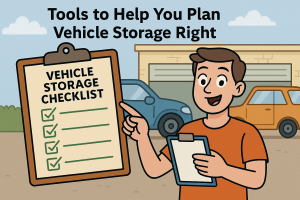
Tools to Help You Plan Vehicle Storage Right
Storing your car, motorcycle, RV, or boat for the season takes more than just parking it in the garage. Whether you are trying to protect your investment or reduce your insurance costs, a little planning goes a long way. That is why we have created helpful resources to make your life easier. From checklists to quizzes, our tools are designed to help you avoid common mistakes and get the most out of your seasonal insurance planning.
Here is how you can use our tools to plan smart and store right.
Use the Vehicle Storage Checklist
Before you put your vehicle in storage, it is important to follow a few key steps to keep it safe and ready for future use. Our vehicle storage checklist is a downloadable resource that walks you through everything you need to do.
Inside the checklist, you will find reminders like:
- Inspect your vehicle for damage before storage
- Top off fluids and check tire pressure
- Disconnect the battery if storing long-term
- Remove valuables and personal items
- Confirm insurance coverage is updated for storage
This printable guide helps you stay organized and ensures nothing is overlooked. Whether you are storing for winter, travel, or repairs, using a checklist is one of the easiest ways to avoid last-minute surprises.
Take the Layup Insurance Quiz
Not sure what kind of insurance you need while your vehicle is off the road? Try our Layup Insurance Quiz to find out. This quick and easy tool helps match your situation with the right insurance approach. Just answer a few questions about your vehicle type, how long it will be stored, and where it will be kept.
You will get a personalized result showing whether:
- You may benefit from switching to comprehensive-only coverage
- You need to file a non-use form with your state
- You should contact your insurer to confirm layup eligibility
- Your vehicle might not qualify for reduced coverage
This quiz takes the guesswork out of seasonal insurance planning and helps you make informed choices before making any changes to your policy.
Know When to Start and End Coverage
Our tools also include a seasonal planning guide by vehicle type. Timing matters when it comes to starting or ending storage coverage. If you start too early or forget to switch back before hitting the road, you could risk being underinsured.
Use our resources to:
- Choose the right month to begin layup insurance
- Set reminders for when to restore full coverage
- Understand the risks of driving without proper protection
We help you plan around climate, travel dates, and storage location to find the best timing for your situation.
Taking advantage of our vehicle storage checklist and planning tools can make the difference between smart storage and costly oversights. Whether you are preparing for winter, planning a long trip, or just cutting back on seasonal use, LayupInsurance.com is here to support your journey with tools that work. Start planning today and keep your vehicle protected all year long.
Final Thoughts: Is Layup Insurance Right for You?
If your vehicle sits unused for weeks or months at a time, you might be asking. Should I get layup insurance? For many seasonal or occasional drivers, the answer is yes. Whether you are storing an RV after summer, parking a motorcycle for the winter, or protecting a boat off-season, layup insurance can help reduce costs while still covering common risks like theft, fire, and weather damage.
The key is making sure the vehicle is stored off public roads and your coverage is adjusted properly. Before canceling your policy or risking a gap in protection, consider whether vehicle storage insurance is worth it based on your situation.
Not sure where to begin? Explore our planning tools, storage checklist, and insurance quiz to help you make the right decision. You can also check out our affiliate content that compares top seasonal coverage providers so you can choose what fits your needs best.
Visit our Layup Tools & Guides page to get started. With the right info and the right plan, storing your vehicle does not have to be a risk. It can be one more way to protect what you own and save money while you are at it.
FAQ: Layup and Storage Insurance Questions Answered
If you are planning to store your vehicle, it is natural to have questions. Here are some common topics to help you decide if this type of coverage is right for you.
Do I need layup insurance?
If your vehicle will be off the road for 30 days or more, layup insurance can reduce costs while still protecting it from damage or theft.
What does storage insurance cover?
Storage or layup insurance typically keeps comprehensive coverage active. This protects against fire, theft, vandalism, falling objects, and weather damage.
Can I file a claim during layup?
Yes, as long as the damage is covered under your active policy and the vehicle was stored properly.
Is layup coverage legal in my state?
Each state has its own insurance requirements. Some may require minimum coverage or a non-use filing if the vehicle remains registered.
When should I start layup coverage?
Begin coverage before storing the vehicle and end it before driving again.
Can I drive during the layup period?
No. Layup coverage does not include liability or collision. You must restore full coverage before driving.
How do I set it up?
Contact your insurer and ask to convert your current policy to seasonal or storage coverage.